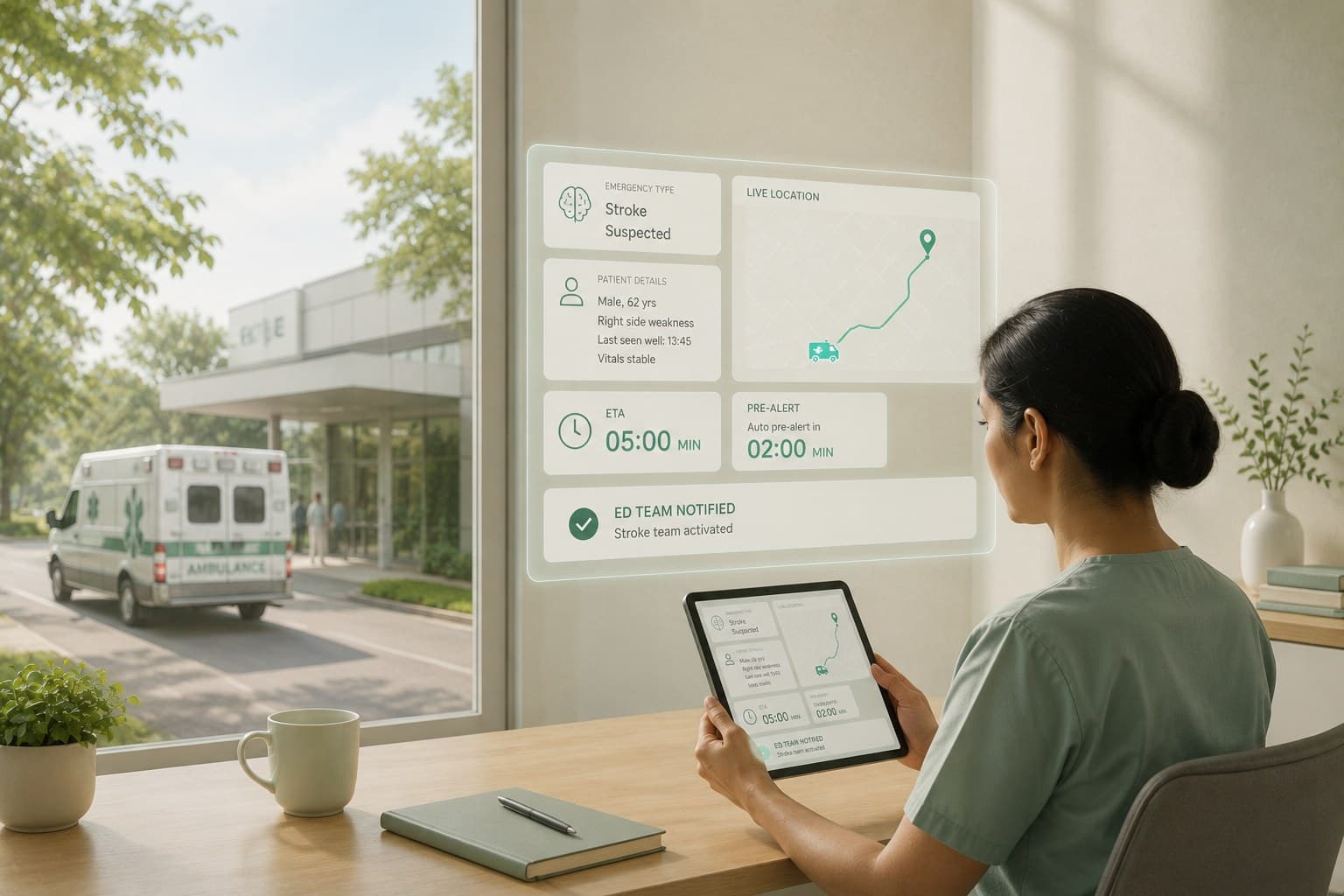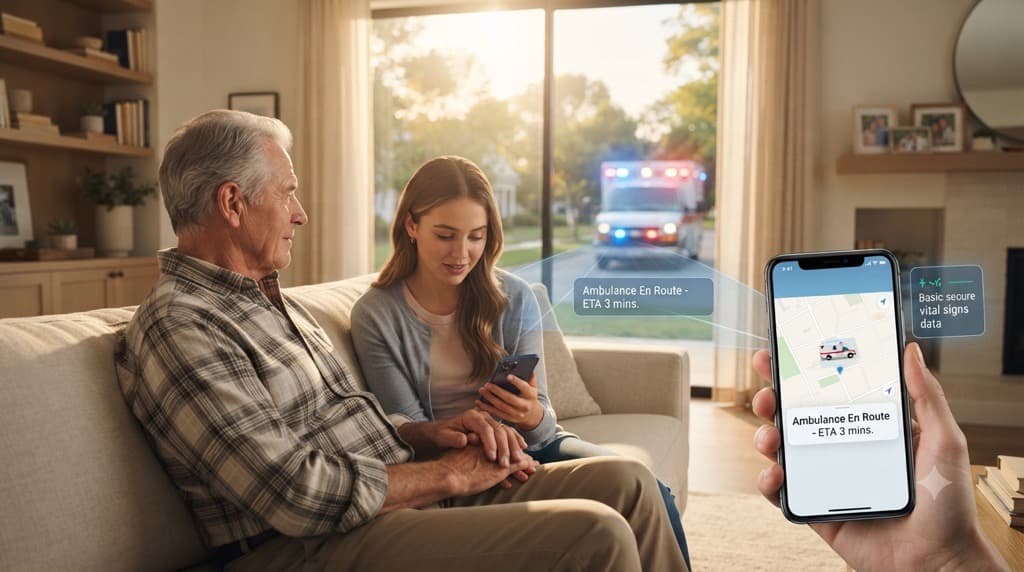
When we hear the word "emergency," our minds instantly picture flashing ambulance lights, emergency room doors swinging open, and doctors rushing to save a life. We think of sudden accidents, severe heart attacks, or unexpected strokes. Because of this, hospitals and emergency response systems focus heavily on how fast they can react when something goes wrong.
But emergency care is only half the story. In many cases, the most effective emergency response doesn't happen in the hospital parking lot or the intensive care unit. It happens weeks, months, or even years earlier — right in your own home, through everyday habits and proactive health choices.
Prevention Changes Outcomes
Many medical emergencies do not appear out of nowhere; they develop silently over time from unmanaged risk factors.
Emergencies Don't Always Begin Suddenly
A medical crisis rarely happens overnight. Conditions like high blood pressure, type 2 diabetes, and cardiovascular disease usually build up quietly over many years. In their early stages, they rarely cause pain or obvious symptoms. People go about their daily lives feeling completely fine, unaware that small imbalances are brewing inside their bodies.
Eventually, a tipping point is reached. A sudden spike in blood pressure triggers a stroke, or weakened arteries lead to a cardiac event. Suddenly, a quiet condition turns into an emergency. By shifting our perspective, we can realize that managing these underlying risk factors is actually our very first line of defense against severe emergencies.
How Routine Health Screenings Stop Crises
One of the simplest ways to practice preventive emergency care is through regular health screenings. Routine blood tests, cholesterol checks, and cancer screenings act as an early warning system for your body.
Think of screenings like the check-engine light in your car. You wouldn't wait for your car engine to completely seize up on a highway before checking the oil. Your body works the same way. Simple tests can catch high cholesterol or pre-diabetes long before they cause a heart attack or organ damage. Catching a problem early makes treatment much easier, safer, and far less stressful.
Managing Blood Pressure and Diabetes
High blood pressure is often called the "silent killer" because it has virtually no symptoms. Left unchecked, it places constant, heavy strain on your heart and blood vessels. Similarly, poorly managed blood sugar damages blood vessels and nerves throughout the body.
Keeping these numbers in a healthy range requires simple daily habits:
Checking your blood pressure regularly at home or at a local pharmacy.
Eating balanced meals rich in fiber, vegetables, and whole grains while reducing excess salt and processed sugars.
Staying physically active with regular walking, swimming, or cycling.
Taking prescribed medications consistently if your doctor recommends them.
“The best time to manage a chronic condition is years before it has the chance to turn into an acute medical emergency.”
The Role of Wearable Devices and AI in Early Awareness
Technology is changing how we look at health and emergency preparedness. Today, smartwatches and fitness bands do much more than count steps. They monitor your heart rate around the clock, track your sleep quality, take electrocardiograms (ECGs), and even measure blood oxygen levels.
This is where artificial intelligence plays a revolutionary role. Advanced AI algorithms can analyze continuous data streams from wearable devices to spot subtle changes that human eyes might miss. For instance, if an AI-powered app notices gradual changes in your resting heart rate or irregular heart rhythms over several weeks, it can send an alert advising you to consult a doctor.
Instead of waiting for a sudden medical crisis, AI-driven monitoring helps patients and healthcare providers catch developing issues early. It transforms passive health data into active, life-saving awareness.
Healthy Lifestyle Choices as Everyday Protection
Beyond technology and doctor visits, your daily lifestyle choices remain your most powerful shield. Simple, consistent habits build long-term resilience:
Quality Sleep: Allowing your body time to repair tissues, regulate hormones, and lower stress levels.
Stress Management: Finding healthy ways to unwind, as chronic stress directly impacts blood pressure and immune function.
Balanced Nutrition: Fueling your body with whole foods that nourish your organs and protect against inflammation.
Routine Medical Reviews: Visiting your primary care doctor annually, even when you feel healthy.
A New Vision for Healthcare
Emergency medical care will always be essential. When accidents happen or acute illness strikes, rapid response saves lives. But true healthcare leadership means looking beyond the emergency room doors.
By treating prevention as our first emergency response, we empower individuals to take control of their well-being. Through routine check-ups, healthy daily habits, and the smart use of AI and wearable technology, we can reduce the frequency of severe health crises, protect our families, and build a healthier future for everyone.
Found this article useful?
Share it with your network to spread awareness about emergency response innovation.
Make Prevention Part of Your Care Plan
See how CareFirst AI connects everyday health monitoring with real emergency response — so care starts long before a crisis does.